Description
Key Takeaways
- Drinking water from a copper cup may help reduce certain bacteria in untreated water.
- Claims that copper water improves digestion, reduces inflammation, boosts thyroid function, or enhances overall health are not well-supported by research.
- Copper can leach into water over time, especially when acidic ingredients like lemon or lime are added, potentially increasing the risk of excessive copper intake.
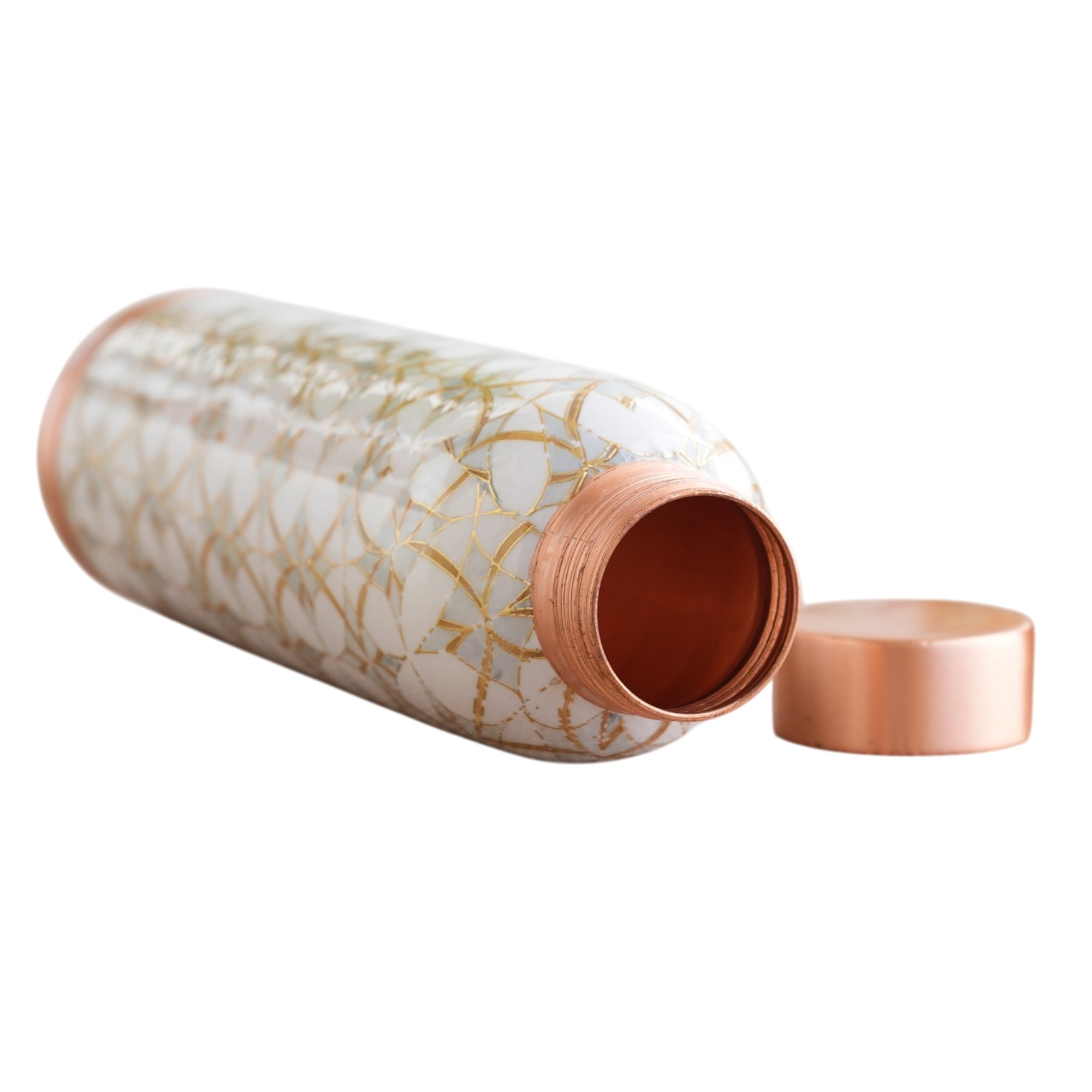
One of the latest wellness trends involves drinking water from a copper cup, often after letting it sit overnight. Proponents claim the practice can improve digestion, boost immunity, reduce inflammation, and even support healthy aging.
The idea isn’t entirely new—and these claimed benefits aren’t well-supported. Storing water in copper vessels has been part of traditional health practices in some cultures for centuries, like in Ayurvedic medicine.1 Experts say there may be a kernel of truth behind some claims—but not necessarily for the reasons social media suggests.
Copper May Have Antimicrobial Effects
Copper is an essential mineral that plays a role in energy production, iron metabolism, immune function, and connective tissue formation.2 However, that doesn’t automatically mean drinking water from a copper cup will improve your health.
“Copper cups have one well-documented benefit: killing waterborne pathogens like E. coli, cholera, shigella, and salmonella, acting like a natural purifier,” Debbie Bessen, MS, RD, CSO, nutrition outreach manager at Holy Name Medical Center, told Verywell.
Research suggests that storing water in copper containers for several hours can reduce bacterial contamination.3 This may help explain why copper vessels have historically been used in areas with limited access to clean drinking water, according to Sydney Lappe, MS, RDN, a registered dietitian.4
The catch? “If your water is treated, there’s no point,” said Bessen.
What About Other Health Claims?
Many of the health claims circulating online—including improved digestion, reduced inflammation, enhanced thyroid function, and better overall wellness—have not been consistently supported by human research.
Part of the reason is that copper deficiency is relatively uncommon in the first place. “Copper is an essential mineral, but most people already get enough through foods like shellfish, organ meats, nuts, seeds, and whole grains—and research hasn’t shown that drinking water from a copper cup offers much additional benefit,” Lappe said.
There may be one indirect advantage, however. Unlike plastic containers, copper cups do not contain plastic-related chemicals or carry the same concerns as microplastic exposure, she added.
While researchers are still studying the health effects of microplastics, some people may prefer reusable materials like copper, glass, or stainless steel for that reason.